Pipelines are typically made of ferromagnetic metals, which under certain circumstances can corrode and be subjected to weakening or cracking over time. Regular inspections are therefore essential to detect early warning signs of problems.
Pigging is a common method of internal inspection, but constraints on bend radius mean that many pipelines cannot be inspected this way. Another method involves injecting current into the pipeline to monitor magnetic field leakages, but this method is limited in distance of inspection for each contact point, and requires physical contact with the pipeline.
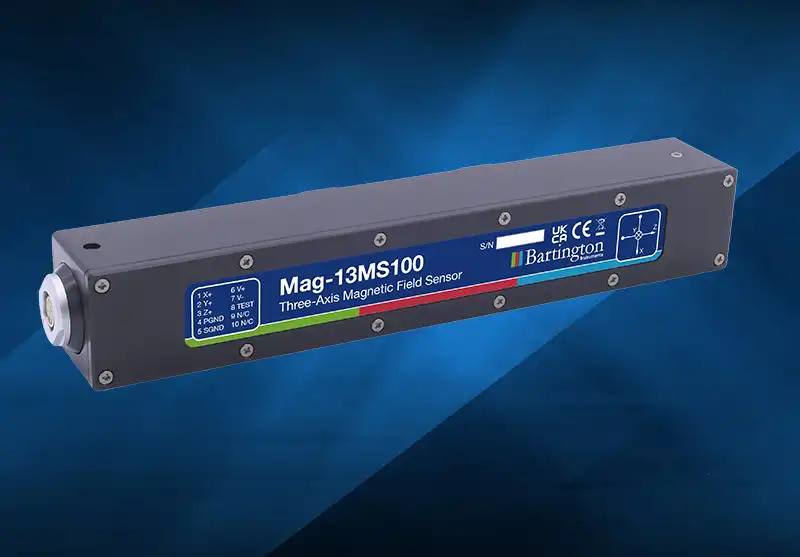
Passive Magnetic Tomography has been developed to provide a non-intrusive and rapid assessment method. The use of high-precision fluxgate sensors, such as the Mag-13, or Mag648/649 when power is critical, enables you to measure small variations in the magnetic field, which are associated with the stress condition of the pipeline. Fluxgates are commonly used for this method due to their high precision and practicality in the field.
Depending on the application, low-power sensors, such as Mag648/649, can be operated from a handheld platform, while lower noise is achieved with the Mag-13.
Pipelines are typically made of ferromagnetic metals, which under certain circumstances can corrode and be subjected to weakening or cracking over time. Regular inspections are therefore essential to detect early warning signs of problems.
Pigging is a common method of internal inspection, but constraints on bend radius mean that many pipelines cannot be inspected this way. Another method involves injecting current into the pipeline to monitor magnetic field leakages, but this method is limited in distance of inspection for each contact point, and requires physical contact with the pipeline.
Passive Magnetic Tomography has been developed to provide a non-intrusive and rapid assessment method. The use of high-precision fluxgate sensors, such as the Mag-13, or Mag648/649 when power is critical, enables you to measure small variations in the magnetic field, which are associated with the stress condition of the pipeline. Fluxgates are commonly used for this method due to their high precision and practicality in the field.
Depending on the application, low-power sensors, such as Mag648/649, can be operated from a handheld platform, while lower noise is achieved with the Mag-13.