Magnetic susceptibility is a good proxy marker. it is used to help identify sample provenance, history of transport, and so on.
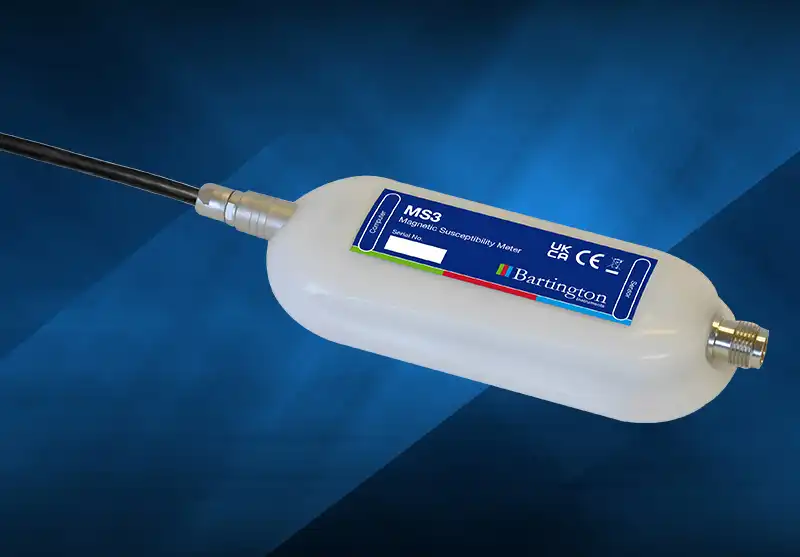
The MS3 magnetic susceptibility meter and its range of sensors is designed to measure properties from a wide range of samples.
The MS3 and MS2D, MS2F, MS2B or MS2G can be used to map or assess the level of particulate pollution present in a sample. Particulates created by industrial processes and vehicles deposit on the ground and on exposed surfaces. Our sensors are ideal for measuring directly in situ, and for measuring samples collected in the field.
The MS3 and MS2B are ideal for small sample measurements in palaeoclimate studies. For example, climate conditions might affect the state of iron oxides. Measuring susceptibility of a sample can help determine which oxides are present, and thus determine the environmental conditions to which the sample has been subjected.
Magnetic susceptibility can also be used in landscape and erosion studies. Tracing sediment origin by its magnetic susceptibility can help in understanding erosional processes, as well as conditions of deposition linked to climate conditions. The MS2B sensor has the added benefit that frequency dependencies can be measured, which provide information about the origin of a sample.
Magnetic susceptibility is a good proxy marker. it is used to help identify sample provenance, history of transport, and so on.
The MS3 magnetic susceptibility meter and its range of sensors is designed to measure properties from a wide range of samples.
The MS3 and MS2D, MS2F, MS2B or MS2G can be used to map or assess the level of particulate pollution present in a sample. Particulates created by industrial processes and vehicles deposit on the ground and on exposed surfaces. Our sensors are ideal for measuring directly in situ, and for measuring samples collected in the field.
The MS3 and MS2B are ideal for small sample measurements in palaeoclimate studies. For example, climate conditions might affect the state of iron oxides. Measuring susceptibility of a sample can help determine which oxides are present, and thus determine the environmental conditions to which the sample has been subjected.
Magnetic susceptibility can also be used in landscape and erosion studies. Tracing sediment origin by its magnetic susceptibility can help in understanding erosional processes, as well as conditions of deposition linked to climate conditions. The MS2B sensor has the added benefit that frequency dependencies can be measured, which provide information about the origin of a sample.